 Summarize this Article with AI
Introduction to Extruded Activated Carbon
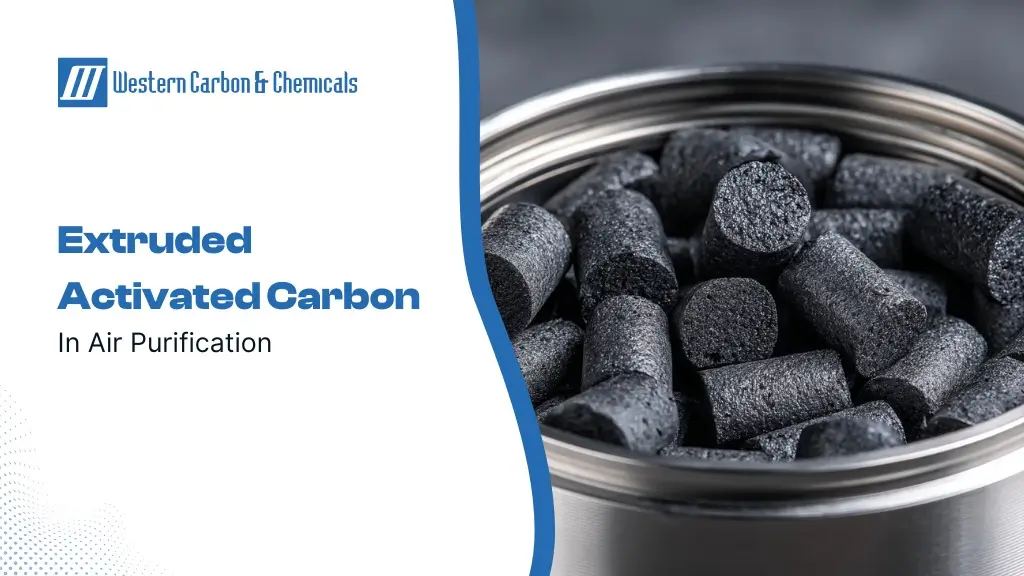
Extruded Activated Carbon (EAC) is a highly engineered form of activated carbon renowned for its uniformity and mechanical robustness. Unlike granular or powdered carbon, EAC is meticulously shaped into cylindrical pellets, ensuring consistent performance in demanding air purification applications. This structure enhances adsorption efficiency, enabling superior removal of pollutants and volatile organic compounds (VOCs) from the air.
Historical Context of Air Purification Technologies
Air purification has a storied history. Primitive methods such as cotton and charcoal filters offered basic filtration but lacked efficiency for industrial pollutants. As industrialization intensified, the need for robust air treatment became evident. Carbon-based solutions emerged as a transformative approach, leveraging the adsorptive prowess of activated carbon.
The Science Behind Extruded Activated Carbon
EAC owes its performance to micro- and mesoporous structures that create vast internal surfaces. Pollutants are trapped via physisorption, where molecular forces draw contaminants into the carbon matrix. The surface area per gram often exceeds 1000 m², making it extraordinarily effective for both gaseous and odor molecules.
Manufacturing Process
Creating extruded activated carbon begins with careful selection of raw materials, typically coconut shells, coal, or hardwood. These materials are ground, mixed with binders, and forced through an extruder to form pellets. Subsequent activation, often via steam or chemical methods, opens up the carbon’s internal structure, generating micropores essential for adsorption.
Physical and Chemical Properties
EAC is prized for exceptional hardness and mechanical stability, reducing fines and dust during air handling. Chemically, it remains stable under varying temperatures and humidities. Its density and uniform shape facilitate predictable airflow and pressure drop, critical for designing efficient filtration systems.
Role in Industrial Air Purification
Industries benefit immensely from EAC. In chemical plants, it neutralizes VOC emissions. Odor abatement in waste management facilities is another vital application. Its long operational lifespan and minimal dust make it a preferred choice for rigorous industrial environments.
Residential and Commercial Applications
In commercial and residential spaces, EAC enhances HVAC systems, improving indoor air quality. It efficiently captures pollutants from cooking fumes, paint solvents, and other indoor VOCs. Commercial air purifiers also leverage extruded activated carbon’s high adsorption capacity for consistent, clean air circulation.
Comparative Advantages Over Granular and Powdered Carbon
Extruded carbon’s uniform shape reduces pressure drop inconsistencies. Unlike granular or powdered forms, it produces minimal dust and withstands mechanical stress, which is particularly beneficial in high airflow systems. These advantages make it economically and operationally superior.
Customization and Specific Grades
Modern applications demand tailored solutions. Manufacturers like Western Carbon & Chemicals provide EAC with specific pore sizes and surface chemistries to target particular pollutants. This customization ensures optimized removal of formaldehyde, ammonia, or industrial solvents.
Environmental Impact and Sustainability
EAC contributes to sustainable air purification. Many grades are regenerable, allowing reuse and reducing landfill impact. Additionally, eco-conscious production methods minimize emissions and energy consumption, aligning with contemporary environmental standards.
Integration in Filtration Systems
EAC can be seamlessly integrated into packed bed filters, cartridge systems, and modular units. Design considerations such as bed depth, contact time, and airflow rate are crucial for maximizing adsorption efficiency. Correct integration ensures minimal bypass and enhanced pollutant capture.
Performance Metrics
Key metrics include adsorption capacity, usually measured in milligrams of pollutant per gram of carbon, and breakthrough curves that indicate operational lifespan. High-quality EAC maintains consistent performance, crucial for industries with strict environmental compliance requirements.
Maintenance and Replacement
Over time, the carbon saturates with pollutants. Signs of exhaustion include increased odors or VOC readings. Regular monitoring and timely replacement ensure continuous protection and prolong system lifespan. Regeneration or reactivation can extend utility in many industrial setups.
Also read: Pellet Activated Carbon for Industrial Odour Control: A Complete Guide
Case Studies and Success Stories
Industrial facilities using EAC report substantial reductions in VOC emissions and odorous by-products. Commercial offices integrating extruded activated carbon in HVAC systems achieve measurable improvements in indoor air quality, demonstrating its tangible benefits across sectors.
Future Trends in Air Purification
Future air purification trends include nano-engineered activated carbons, which provide even higher adsorption capacities. Integration with smart filtration systems allows real-time monitoring of pollutant levels, ensuring proactive air quality management.
Conclusion
Extruded Activated Carbon is an indispensable tool in modern air purification. Its superior adsorption efficiency, mechanical resilience, and versatility make it ideal for both industrial and residential applications. Companies like Western Carbon & Chemicals continue to innovate, ensuring that air purification technologies evolve to meet the challenges of tomorrow, providing cleaner, safer, and healthier environments.