

Western Carbon and Chemicals: A Trusted Activated Carbon
Manufacturer In India Since 1968
Our Certifications
Certified for Excellence in Quality, Performance, and Industrial Innovation.





Global Reach.
Proven Quality.
Industrial Focus.
Leading the Way in
Activated Carbon Solutions
Western Carbon & Chemicals has been a trusted manufacturer of high-quality activated carbon since 1968, serving industries around the world.
We offer eco-friendly, high-performance carbon solutions that help purify processes, reduce waste, and improve efficiency in sectors like chemicals, pharmaceuticals, water treatment, and more.
Our ISO-certified quality and industry knowledge ensure reliable, cost-effective products that meet global standards and support better, cleaner operations.

COUNTRIES

PRODUCTS

CLIENTS WORLDWIDE

YEARS OF EXPERIENCE
Types of Activated
Carbon We Offer
Coconut Shell Based
Activated Carbon
Wood Based
Activated Carbon
Coal Based
Activated Carbon
Coconut Shell Based Activated Carbon
Hard, highly microporous carbon ideal for gold recovery, water purification, and air filtration. Known for high hardness and low ash content.
Wood Based Activated Carbon
Low-density carbon with a high surface area, best suited for decolorization and purification in food, pharma, and chemical industries.
Coal Based Activated Carbon
Our Product Range
Serving purification and industrial needs across diverse sectors with trusted quality.
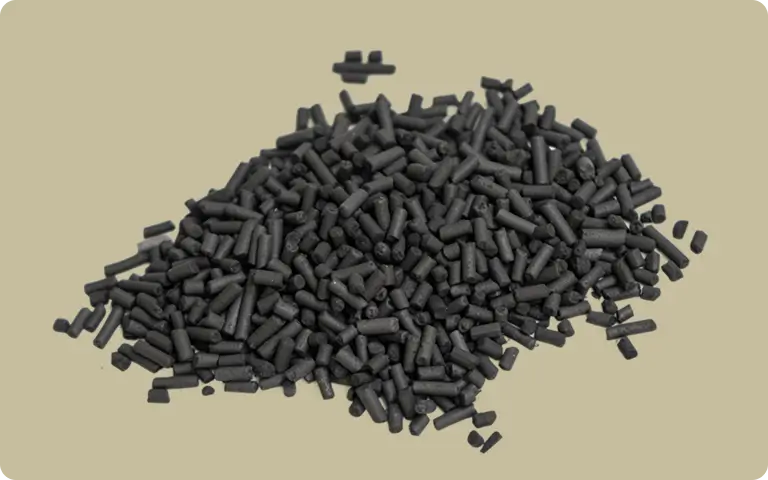
Extruded Activated Carbon
Durable carbon pellets for air purification, VOC removal, and solvent recovery.
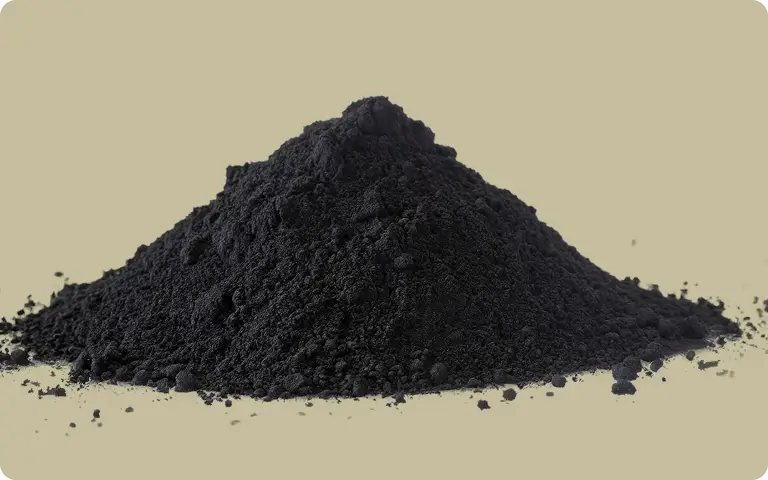
Powdered Activated Carbon
Fine-grade carbon for fast, effective removal of taste, odor, and organic contaminants.
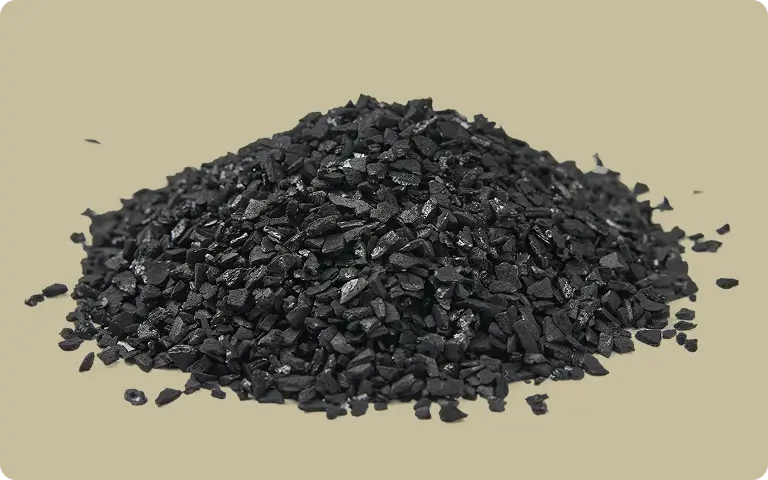
Granular Activated Carbon
Versatile carbon for gas, vapor, and water purification with fast diffusion.
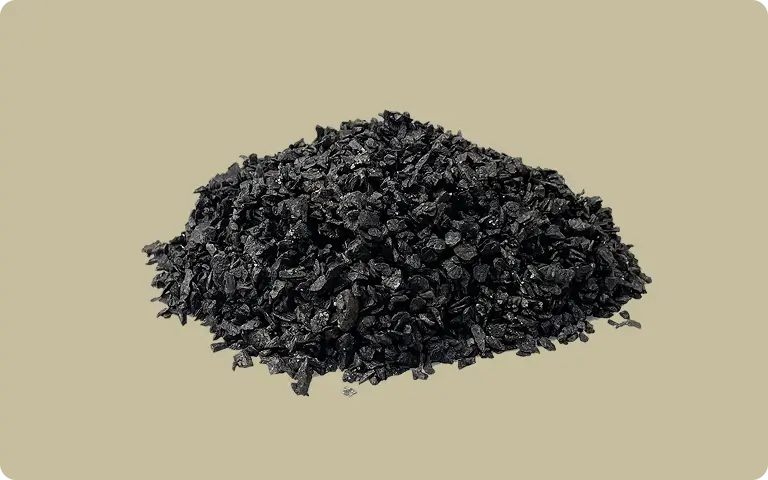
Acid Washed Activated Carbon
High-purity carbon for food, pharma, and water applications with long-lasting performance.
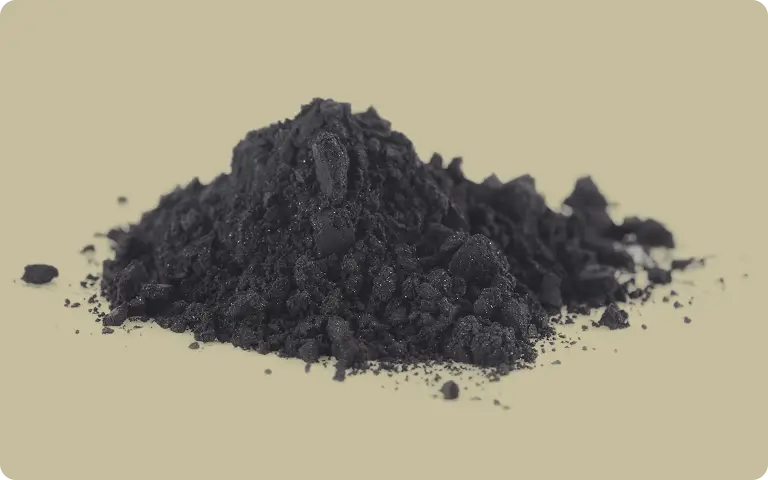
Unwashed Activated Carbon
Reliable carbon for decolorizing, deodorizing, and impurity removal in liquids.
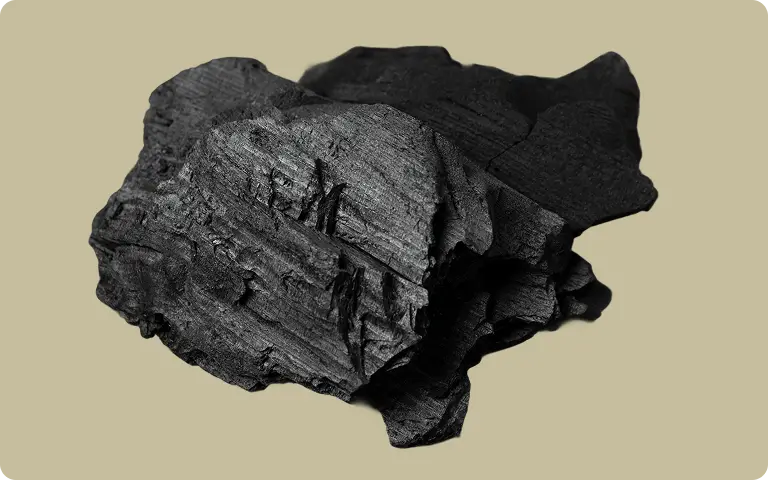
Anthracite
Clean-burning, high-carbon coal ideal for power and metallurgical use.
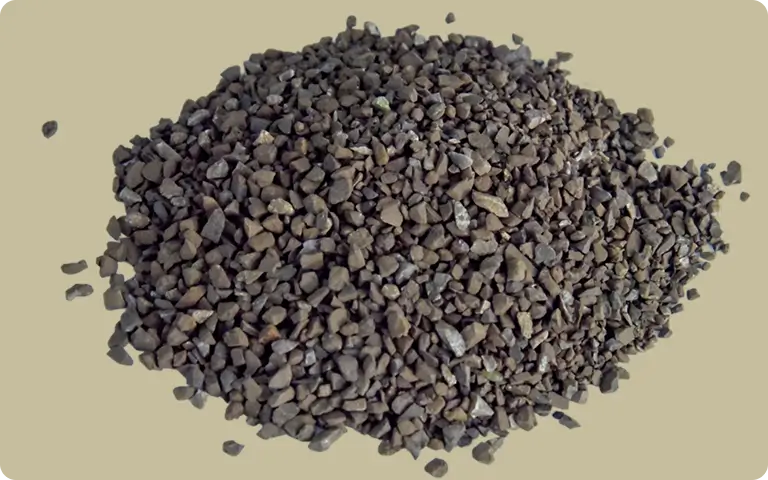
Manganese Dioxide
Effective media for iron and manganese removal in filtration systems.
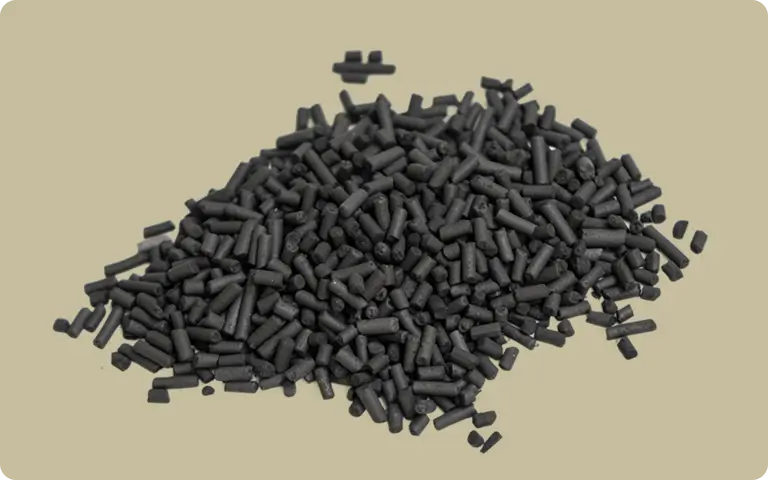
Carbon Molecular Sieve
Selective adsorbent used in nitrogen generation and gas separation processes.
SUSTAINABILITY
Committed to a Cleaner, Greener Future
Our Applications
Tailored carbon solutions for water, air, pharma, and industry.
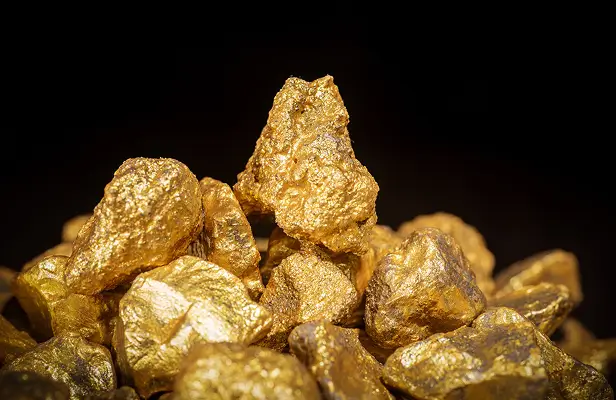
Gold/Metal/Mining Applications
Purifies metal extraction processes with high adsorption and durability.
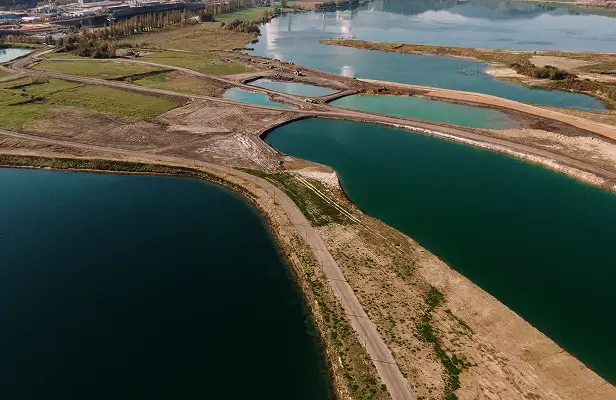
Industrial Waste Water/Effluent Treatment
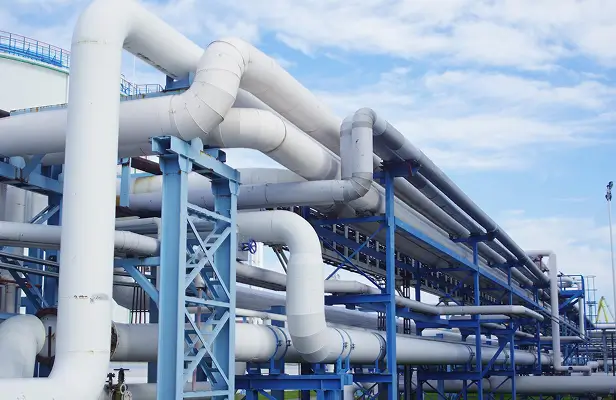
Waste Gas Treatment
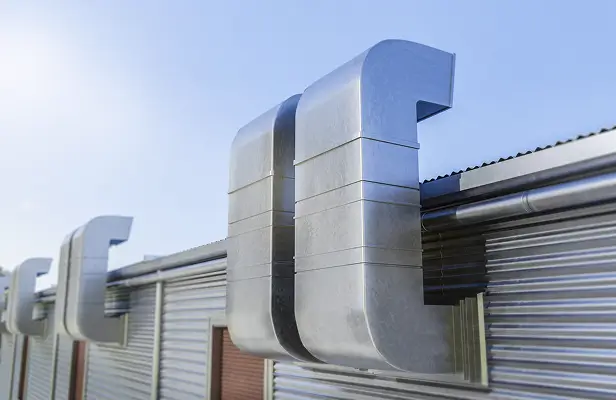
Air Purification, Auto Emission Control & Solvent Recovery
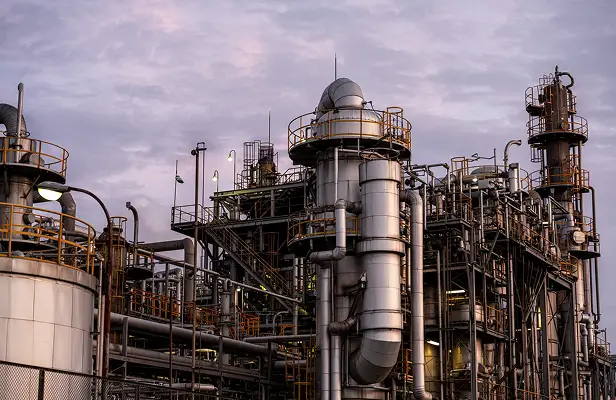
Oil & Gas / Petrochemical Applications
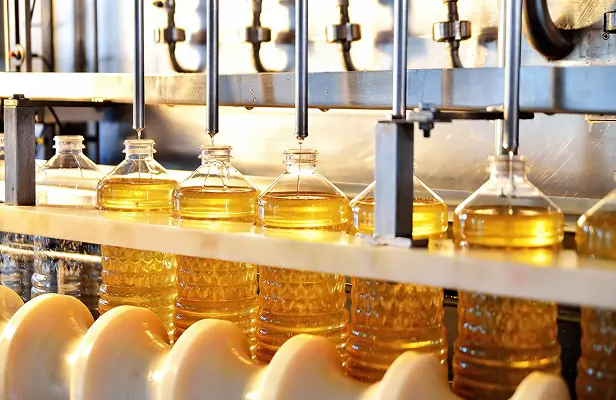
Edible / Vegetable Oil Refining & Purifications
Improves clarity, taste, and stability in oil purification stages.
Odour Suppression
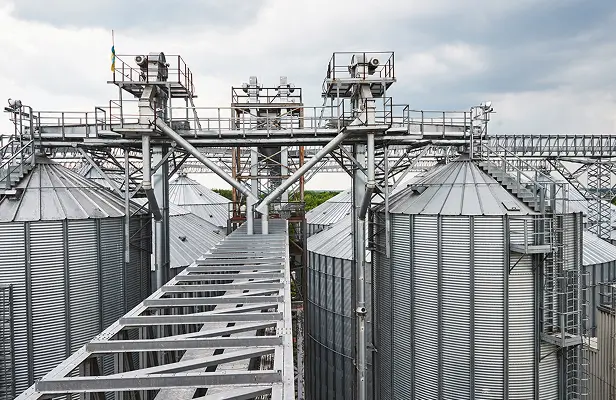
Sugar Refinery
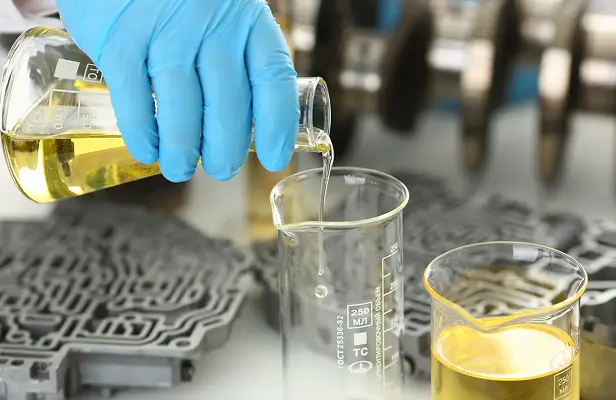
Chemical Treatment Purification
Targets chemical impurities to ensure cleaner, safer industrial outputs.

Food and Beverages Industry
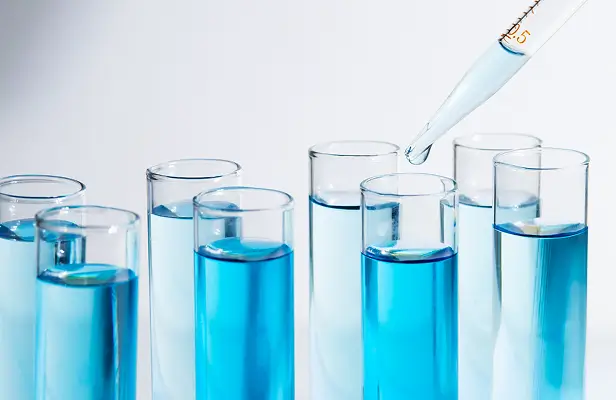
Dyestuffs & Dyes Intermediates
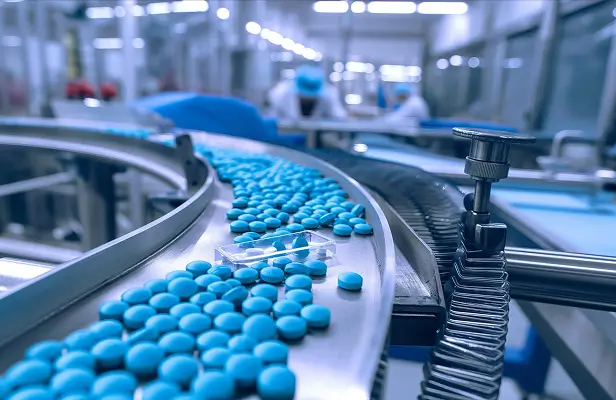
Medicinal & Pharmaceutical Treatment
Purifies ingredients and intermediates in critical pharma formulations.

Cosmetic & Personal Care
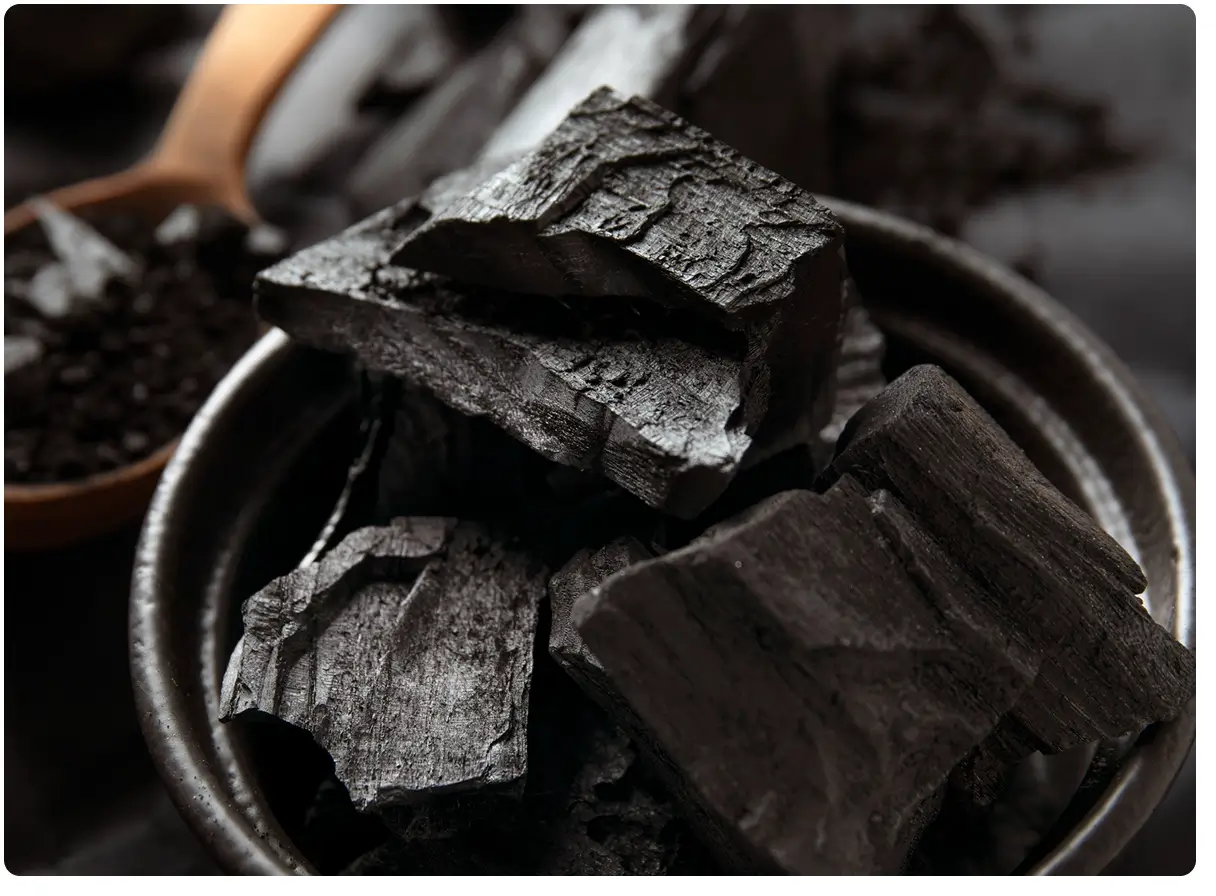
Why Choose Western Carbon & Chemicals

ISO-Certified Manufacturing
Consistent quality and compliance for critical industrial applications.

Application-Specific Carbon Grades
Solutions tailored to industry needs water, pharma, mining, and more.

Global Supply Reliability
Export-ready logistics and timely fulfillment across regions.

Technical Expertise & Support
Guidance to help clients select the right grade for their process.
BLOGS
Our Blogs And Insights
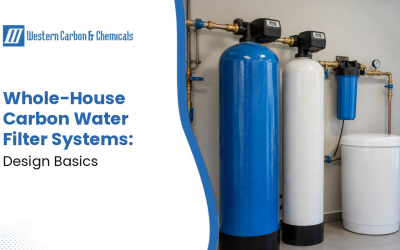
Whole-House Carbon Water Filter Systems: Design Basics | Western Carbon
Key Highlights A whole-house carbon filter treats all water entering a building, so it must be sized for peak flow, not average use. Empty bed contact time sets the carbon volume, and chloramine needs far more contact time than free chlorine. Tank diameter and bed...
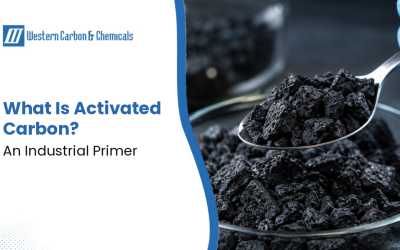
What Is Activated Carbon? An Industrial Primer | Western Carbon
Key Highlights Activated carbon is a carbonaceous material processed to develop an enormous internal pore network. Raw material and activation method decide pore structure, hardness, ash and cost. Key specifications include iodine number, CTC or butane activity,...
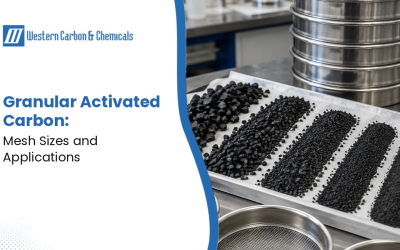
Granular Activated Carbon Mesh Sizes and Applications | Western Carbon
Key Highlights Mesh size describes the range of granule sizes in a carbon, using sieve numbers such as 8x30 or 12x40. A higher mesh number means smaller granules, faster adsorption, and higher pressure drop. Water treatment commonly uses 8x30 or 12x40, and...